
 By
By 
Introduction
Successful rental properties are more than just income streams. They are comfortable homes for tenants and valuable assets for owners. Achieving this balance requires careful property management and meticulous upkeep. Whether you manage a single unit or an entire portfolio, ensuring your properties meet high standards is vital for tenant satisfaction and asset preservation. This is especially true for specialized offerings such as Detroit furnished living and nightlife.
In this extensive guide, we will explore the various types of property maintenance. We will also cover legal responsibilities, financial planning, best practices for efficient management, and how technology can streamline operations. Join us as we delve into overcoming common challenges and maximizing your rental property’s potential.
Defining Property Management and Upkeep for Long-Term Value
Rental property maintenance encompasses all the activities required to keep a property in excellent condition, ensuring its functionality, safety, and aesthetic appeal. For property managers, this isn’t merely a reactive task but a proactive strategy essential for preserving asset value, ensuring tenant satisfaction, and maintaining profitability. Property management fundamentally involves the administration, supervision, upkeep, and care of real estate properties, much like a captain steering a ship through calm and stormy waters.
We categorize property maintenance into several key types:
- Routine Maintenance: These are everyday tasks that keep a property functioning smoothly, such as cleaning common areas, changing air filters, and performing regular inspections. These small, consistent efforts prevent minor issues from escalating.
- Preventive Maintenance: Designed to avert future problems, preventive maintenance involves scheduled tasks like HVAC servicing, gutter cleaning, and roof inspections. By addressing potential issues before they arise, we can significantly reduce the likelihood of costly emergency repairs and extend the lifespan of critical systems.
- Emergency Maintenance: These are urgent repairs that address immediate threats to tenant safety, property integrity, or habitability, such as a burst pipe, a gas leak, or a complete heating system failure in winter. Swift response is paramount in these situations.
- Corrective Maintenance: This type of maintenance involves fixing issues that have already occurred, often identified during routine inspections or reported by tenants. Examples include repairing a leaky faucet, replacing a broken appliance, or patching a hole in a wall.
The successful execution of these maintenance tasks relies on a collaborative effort from various roles. Property managers act as the central orchestrators, overseeing all maintenance activities, coordinating schedules, and ensuring prompt resolution of issues. They are often the first point of contact for tenants and the liaison with owners. Maintenance technicians are the hands-on problem-solvers, capable of performing a wide range of repairs, from plumbing and electrical work to HVAC system adjustments. Their expertise is crucial for addressing immediate needs and implementing preventive measures. Resources like Property Management Insider often highlight the best practices for these roles. Janitorial staff focus on cleanliness and hygiene, particularly in multi-unit properties, contributing significantly to a positive living environment. For specialized tasks, external contractors are brought in, ranging from licensed electricians and plumbers to roofers and landscapers.
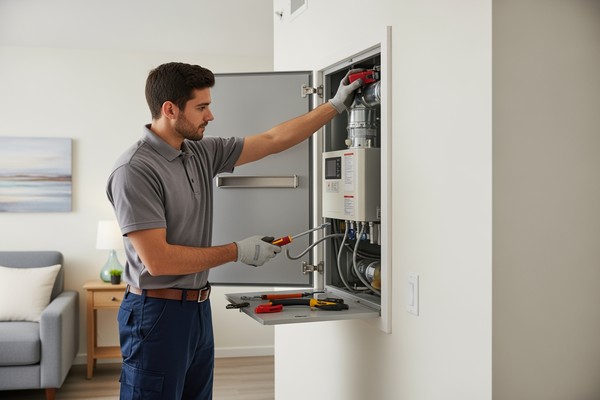
To ensure high standards, many technicians pursue specialized training. For instance, the Certificate for Apartment Maintenance Technicians (CAMT), accredited by the American National Standards Institute (ANSI), equips technicians with the skills to efficiently process work orders, repair HVAC systems, and handle various mechanical services. This level of professional training is vital for maintaining habitability standards and ensuring properties remain safe and comfortable for residents.
Legal Framework and Financial Planning for Repairs
Understanding the legal responsibilities of both landlords and tenants is fundamental to effective property management and upkeep. These responsibilities are typically outlined in lease agreements and governed by local building codes and landlord-tenant laws, which ensure properties meet basic health and safety standards. The American Apartment Owners Association (AAOA) provides valuable resources that serve the interests of landlords, offering guidance on these legal aspects.
Responsibility Area Landlord Responsibilities Landlord Tenant Legal Legal Basic maintenance and repairs for structural elements, infrastructure (plumbing, electrical, heating, AC), and common areas. Reporting property issues promptly. Compliance with health and safety standards, local building codes, and habitability requirements. Minor upkeep, such as changing light bulbs, replacing batteries in smoke detectors (unless specified otherwise), and general cleanliness. Ensuring all essential utilities (water, heat, electricity) are in working order. Repairing damage caused by themselves, their guests, or pets (beyond normal wear and tear). Pest control (unless infestation is tenant-caused). Proper disposal of garbage and avoiding blockages in plumbing. Regular inspections to identify and address issues proactively. Basic yard work if they have exclusive use of a yard and it’s specified in the lease. Addressing urgent repairs that affect health, safety, or habitability (e.g., major leaks, heating failure). Minimizing loss in an emergency (e.g., placing buckets under a leak, turning off water if a pipe bursts) and promptly contacting the landlord. Providing an emergency contact and clear procedures for urgent repairs. — —
Landlords are generally responsible for major repairs and ensuring the property is habitable. This includes maintaining the structural integrity of the building, ensuring proper functioning of essential systems like plumbing, electrical, and HVAC, and addressing issues in common areas. They must also comply with all local housing codes, which often specify requirements for smoke detectors, carbon monoxide detectors, pest control, and security features. For example, in Detroit, property owners must adhere to specific property maintenance codes enforced by the city’s Buildings, Safety Engineering, and Environmental Department (BSEED).
Tenants, on the other hand, are typically responsible for minor upkeep, maintaining cleanliness, and repairing any damage they or their guests cause beyond normal wear and tear. They are also expected to report maintenance issues promptly to the property manager. Clear lease agreements are crucial for defining these responsibilities and preventing disputes.
Financial planning for maintenance is a cornerstone of successful property management. Neglecting to budget adequately can lead to significant financial strain and property degradation. Several rules of thumb guide this process:
- The 1% Rule: This widely cited guideline suggests setting aside 1% of the property’s purchase price each year for maintenance. For instance, a $300,000 property would require an annual budget of $3,000, or $250 per month.
- Percentage of Rent: Another common approach is to allocate 5-10% of monthly rent to a dedicated maintenance reserve. This ensures a continuous flow of funds for ongoing upkeep.
- Per Square Foot Rule: Some managers budget approximately $1 per square foot annually for maintenance.
Research indicates that these figures can vary. New owners of older homes, for example, often spend a median of 1.5% of the home’s value on upkeep, reflecting the increased needs of aging properties. Owners of older homes also spend a median of $200 per 500 square feet on routine maintenance annually.
We recommend creating a dedicated maintenance reserve fund. This fund acts as a financial buffer, allowing property managers to cover unexpected repairs without impacting operational budgets. For comprehensive Detroit property management services, understanding and implementing these budgeting strategies is crucial for maximizing your return on investment. Regular tracking of maintenance expenses helps forecast future costs, identify patterns, and make more informed financial decisions.
Operational Best Practices for High-Quality Rentals
Efficient maintenance management isn’t just about fixing problems; it’s about creating a streamlined system that ensures properties remain in top condition, tenants are satisfied, and costs are controlled. We believe in adopting several best practices to achieve this.
First, vendor management is critical. Building strong relationships with reliable, licensed, and insured contractors is essential. This involves vetting vendors, negotiating fair contracts, and establishing clear expectations for service quality and response times. Having a network of trusted professionals for various trades ensures that when an issue arises, we can secure timely and competent service.
Second, proactive communication with tenants is paramount. Establishing clear channels for maintenance requests, providing timely updates on repair statuses, and educating tenants on their maintenance responsibilities fosters trust and reduces frustration. A well-informed tenant is often a more cooperative tenant.
Third, meticulous documentation of all maintenance activities is non-negotiable. This includes recording work orders, costs, vendor details, dates of completion, and any related communications. This detailed record-keeping serves multiple purposes: it helps track expenses for budgeting, provides a history for future repairs, and offers legal protection in case of disputes. Using a spreadsheet or property management software can centralize this information.
Regular property inspections are another cornerstone of proactive maintenance. Most property managers conduct inspections seasonally, or two to four times per year. Move-in and move-out inspections are also standard practice, providing a baseline and final assessment of the property’s condition. Beyond these, annual inspections with seasonal system check-ups are crucial. For example, a semi-annual schedule allows us to test heating systems in the fall and air conditioning in the spring, preventing breakdowns during peak seasons.
The Role of Seasonal Tasks in Property Management and Upkeep
Seasonal maintenance tasks are critical for protecting properties from weather-related damage and ensuring year-round comfort.
- Spring: Focus on exterior clean-up, landscaping, checking for winter damage, and servicing air conditioning units before the summer heat. This is also a good time to ensure the property’s exterior is pristine, potentially coordinating with Commercial property cleaning services for a thorough refresh.
- Summer: Maintain landscaping, check irrigation systems, and inspect roofs for any storm damage. Ensure all outdoor amenities are in good working order.
- Fall: Prepare for colder weather by cleaning gutters, inspecting roofs for potential leaks, servicing heating systems, and addressing any exterior repairs. This is also the time to ensure smoke alarms and carbon monoxide detectors are tested and have fresh batteries.
- Winter: The primary focus shifts to preventing cold-weather damage. This includes insulating pipes to prevent pipe bursts, ensuring proper heating system function, and managing snow and ice removal from walkways and driveways. Two out of three residential fire fatalities happen in homes without working smoke alarms, making detector checks critical year-round, but especially in winter when heating systems are heavily used.
Leveraging Technology for Property Management and Upkeep
Technology has revolutionized property management maintenance, streamlining operations and significantly enhancing efficiency. Digital implementation of property maintenance can increase net operating income (NOI) by 10 percent or more, showcasing the tangible benefits.
Maintenance management software, often integrated into broader property management platforms, offers a suite of features:
- Work Order Management: Automating the creation, assignment, and tracking of work orders from tenant request to completion. This ensures no request falls through the cracks and allows for real-time monitoring of progress.
- Communication and Notifications: Facilitating seamless communication between tenants, property managers, and technicians through integrated portals and automated notifications. Tenants can submit requests online, receive status updates, and view completion notes.
- Document Storage: Centralizing all maintenance-related documents, such as repair histories, warranties, and vendor contracts, in a single, easily accessible digital location.
- Vendor Performance Analytics: Tracking vendor response times, costs, and quality of work to make data-driven decisions about contractor selection and retention.
By leveraging these tools, we can speed up response times, maintain comprehensive records, and reduce administrative burdens, allowing our teams to focus on delivering high-quality service.
Overcoming Challenges and the Consequences of Neglect
Rental property maintenance, despite best efforts, comes with its share of challenges. One of the most significant is budgeting for unexpected repairs. While we plan meticulously, unforeseen issues like major appliance breakdowns or sudden structural damage can strain finances. Another challenge is managing a high volume of work orders efficiently, especially in larger portfolios, which requires robust systems and skilled personnel. Finding and retaining reliable contractors can also be difficult, as quality and availability vary. Finally, balancing tenant expectations with cost-effective solutions requires delicate communication and problem-solving skills.
The consequences of neglecting property maintenance are far-reaching and detrimental to both property owners and tenants.
- Escalating Repair Costs: A minor leak, if ignored, can lead to extensive water damage, mold growth, and structural issues, turning a small fix into a costly renovation. Statistics show that over a third of U.S. housing units needed at least one repair in a recent national survey, highlighting the prevalence of maintenance needs.
- Code Violations and Legal Liability: Failure to maintain properties to local health and safety standards can result in fines, penalties, and legal action from municipal authorities or tenants. This is particularly relevant for ensuring compliance with fire safety regulations; two out of three residential fire fatalities happen in homes without working smoke alarms, underscoring the critical importance of functioning detectors.
- Tenant Dissatisfaction and High Turnover: Tenants expect a safe, functional, and well-maintained living environment. Poorly maintained properties lead to unhappy residents, increased complaints, and higher tenant turnover rates. This is especially impactful for the more than 25% of renters who are severely cost burdened and cannot afford unexpected expenses, making reliable maintenance a necessity.
- Decreased Property Value: Neglect directly impacts a property’s market value. A dilapidated appearance, outdated systems, and structural problems deter potential buyers or renters, leading to longer vacancies and lower rental income.
- Reduced Efficiency and Increased Utility Costs: Something as simple as unresolved airflow problems can reduce an HVAC system’s efficiency by up to 15 percent, leading to higher energy bills for tenants or owners. Regular maintenance, including professional janitorial services, can help identify and rectify such issues, ensuring optimal system performance.
Addressing these challenges proactively through robust maintenance strategies, effective vendor management, and clear communication is crucial. Ignoring them not only erodes profitability but also jeopardizes the safety and well-being of residents.
Frequently Asked Questions about Property Upkeep
What is the difference between emergency and regular repairs?
The distinction between emergency and regular repairs is primarily based on urgency and impact on safety or habitability. Emergency repairs are urgent issues that pose an immediate threat to the tenant’s health, safety, or the structural integrity of the property. Examples include burst pipes, gas leaks, electrical failures, or a complete loss of heat in cold weather. These require immediate attention, often within 24 hours. Regular repairs, on the other hand, are non-urgent issues that, while needing attention, do not immediately compromise safety or habitability. These might include a leaky faucet, a broken appliance that isn’t essential, or minor cosmetic damage. Regular repairs can typically be scheduled within a reasonable timeframe, often a few days to a week.
How can property managers ensure compliance with local laws?
Ensuring compliance with local laws and regulations is a continuous process that requires diligence. Property managers can achieve this by:
- Staying Informed: Regularly reviewing local and state landlord-tenant laws, building codes, and health and safety regulations. Joining local property management associations or subscribing to legal updates can be beneficial.
- Regular Inspections: Conducting routine and seasonal inspections to identify and rectify any potential code violations before they become serious issues.
- Professional Certifications: Ensuring maintenance staff are properly trained and certified, such as through the CAMT program, to understand and implement compliant repair practices.
- Documentation: Maintaining meticulous records of all maintenance, repairs, and inspections as proof of compliance.
- Vendor Vetting: Using only licensed and insured contractors who are knowledgeable about local codes for specialized repairs.
- Tenant Education: Clearly communicating tenant responsibilities and providing information on how to report issues, which can help identify problems early.
What are the most common rental property repairs and issues?
Based on industry data and common tenant reports, some of the most frequent rental property repairs and issues include:
- Plumbing Problems: Leaky faucets, running toilets, clogged drains, and water heater malfunctions are very common.
- HVAC Issues: Problems with heating and air conditioning systems, such as inefficient cooling/heating, strange noises, or complete breakdowns, are frequent, especially during extreme weather. Unresolved airflow problems alone can reduce system efficiency by up to 15 percent.
- Appliance Breakdowns: Refrigerators, stoves, dishwashers, and washing machines often require repair or replacement due to wear and tear.
- Electrical Issues: Tripped breakers, faulty outlets, and non-functioning light fixtures are regular occurrences.
- Pest Control: Infestations of insects (ants, cockroaches, bed bugs) or rodents are common, particularly in multi-unit dwellings.
- Roof Leaks: Damage from storms, aging materials, or poor installation can lead to leaks, requiring timely repair to prevent extensive interior damage.
- General Wear and Tear: Minor wall damage, worn flooring, and paint touch-ups are ongoing needs that accumulate over time.
Conclusion
Effective property management and upkeep are undeniably vital for the success of any rental property. By embracing a proactive approach to maintenance, property managers not only safeguard the physical condition of their assets but also cultivate positive relationships with tenants, ensuring a stable and profitable investment. From understanding the nuanced legal responsibilities to implementing robust financial planning and leveraging modern technology, every aspect of upkeep contributes to long-term value.
We believe that consistent attention to detail, strategic budgeting, and efficient operational practices are the pillars of a thriving rental portfolio. Neglecting these essential services can lead to a cascade of costly problems, diminished property value, and tenant dissatisfaction. By prioritizing comprehensive maintenance strategies, property managers can ensure their properties remain high-quality, attractive, and profitable for years to come. For those seeking to optimize their investments, particularly in dynamic markets, exploring professional Detroit rental property management services can provide the expertise and support needed to achieve these goals.





Comments