
 By
By 
Why Regular Exterior Home Maintenance is Crucial in 2026
Your home is a major investment. Its exterior is the first shield against weather, pests, and daily wear. Keeping this shield strong is vital. It protects your home’s value, improves its look, and prevents costly repairs. As we look to 2026, understanding key exterior home maintenance is more important than ever. In this guide, we will cover essential tasks, from seasonal checks to spotting damage. We will also help you know when to call a professional. For instance, ensuring your garage door is in top shape is crucial for security and efficiency, and maintaining its parts is a wise step. Our aim is to provide you with the knowledge to keep your home’s exterior in excellent condition all year long.
Your home’s exterior is much more than just its aesthetic appeal; it’s a complex system designed to protect everything inside. Neglecting its upkeep can lead to a cascade of problems, transforming minor issues into significant, costly repairs. Unfortunately, we know that a staggering 59% of homeowners often procrastinate on home repairs due to perceived costs. However, proactive exterior home maintenance is, in fact, the most cost-effective approach in the long run.
Regular maintenance is paramount for several reasons:
- Asset Protection: Your home is likely your largest asset. Just like any valuable investment, it requires consistent care to retain its worth. The exterior components-roof, siding, foundation, windows, and doors-work together to form a protective envelope. When one part fails, it compromises the integrity of the whole structure.
- Insurance Compliance: Many homeowner insurance policies require that you maintain your property to prevent damage. Neglecting obvious issues, such as a damaged roof or clogged gutters, could lead to denied claims if a problem arises that could have been prevented. Staying on top of maintenance ensures you remain compliant and covered.
- Energy Efficiency: A well-maintained exterior plays a critical role in your home’s energy performance. Properly sealed windows and doors, intact siding, and a healthy roof prevent drafts and heat loss in winter, and keep cool air in during summer. This translates directly to lower utility bills and a more comfortable indoor environment.
- Moisture Prevention: Water is the ultimate enemy of a home. Unchecked moisture can lead to wood rot, mold growth, pest infestations, and even structural damage to the foundation. Regular maintenance ensures that water is properly diverted away from your home, protecting its integrity.
- Pest Deterrence: Cracks in siding, gaps around windows, or compromised foundations create inviting entry points for pests like rodents, insects, and even larger wildlife. Sealing these vulnerabilities is a key aspect of exterior maintenance that keeps unwanted guests out.
- Property Value Preservation: A home with a well-kept exterior commands higher curb appeal and, consequently, a higher market value. When it comes time to sell, a home that looks cared for from the outside signals to potential buyers that the entire property has been well-maintained. This can significantly impact resale value.
- Long-term Structural Integrity: The foundation, walls, and roof are the backbone of your home. Regular inspections and timely repairs prevent small cracks from becoming major structural concerns. This is especially true in areas like Hagerstown, where homes are exposed to varying seasonal conditions that can stress exterior materials.
By prioritizing consistent care, homeowners can prevent costly headaches and ensure their property remains a safe, attractive, and valuable asset for years to come. For those seeking comprehensive solutions and guidance, exploring resources from providers of Expert exterior home maintenance can offer valuable insights into safeguarding your property.
Seasonal Strategies for Year-Round Protection
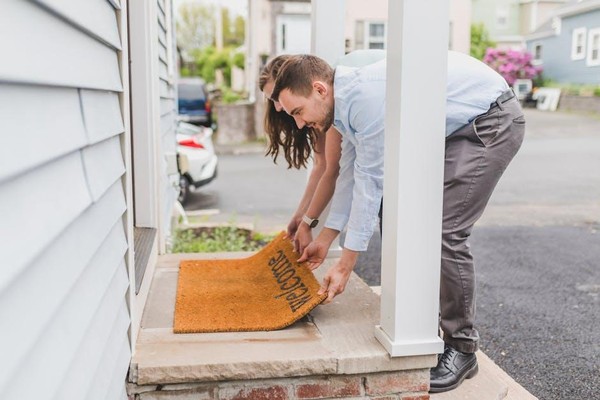
Effective exterior home maintenance isn’t a one-time event; it’s a continuous cycle that adapts to the changing seasons. Creating a personalized maintenance schedule ensures that you address specific vulnerabilities as the weather shifts, preventing small issues from escalating. A regular perimeter walk, as shown in the image, is a simple yet powerful habit to adopt. This proactive approach is key to preparing your home for extreme weather conditions and adapting to local climates, such as those experienced in Chambersburg and the surrounding areas.
Spring and Summer Exterior Home Maintenance
As the snow melts and temperatures rise, spring is the ideal time to assess any damage from winter and prepare your home for the warmer months. Summer offers longer, drier days perfect for outdoor projects.
- Roof Reality Check: Begin with a thorough inspection of your roof. From the ground, use binoculars to look for missing, cracked, or curling shingles. Check for any sagging areas, which could indicate structural issues, or signs of water damage in the attic. Address any issues promptly to prevent leaks.
- Gutter and Downspout Debris Removal: Winter storms often leave gutters clogged with leaves, twigs, and other debris. Clean them out in early spring and again in late spring/early summer. Ensure downspouts are securely attached and direct water at least 4-6 feet away from your foundation. Clogged gutters are a primary cause of water damage to roofs, siding, and foundations.
- Siding Wash: Give your home’s “skin” a good cleaning. For vinyl or brick siding, a mild detergent and a garden hose or low-pressure power washer (angled downwards to avoid water infiltration) can remove dirt, grime, and mildew. For wood siding, use a softer brush and gentler cleaning solutions. Inspect for cracks, loose panels, or signs of wood rot, especially in humid regions like Maryland.
- Window and Screen Inspection: Check window screens for tears or holes, repairing or replacing as needed. Inspect window frames and sills for peeling paint or rot. Clean windows for better light and inspect caulking around frames.
- Deck and Patio Preparation: Spring is perfect for getting outdoor living spaces ready. Clean decks and patios thoroughly. For wood decks, inspect for loose boards, protruding nails, or signs of rot. Wood decks need a fresh coat of stain or sealant every 2-3 years to stay weatherproof and extend their lifespan.
- AC Unit Clearance: Ensure the outdoor unit of your air conditioning system is clear of debris, leaves, and overgrown vegetation. This improves airflow and efficiency.
- Irrigation System Testing: If you have an irrigation system, test it for proper function and check for any leaks or broken sprinkler heads.
Fall and Winter Exterior Home Maintenance
As autumn leaves begin to fall, your focus shifts to preparing your home for the cold, harsh conditions of winter.
- Gutter Cleaning (Again!): This is perhaps the most critical fall task. Clean gutters thoroughly after all the leaves have fallen to prevent blockages that can lead to ice dams and water damage. Flush them with water to ensure proper drainage.
- Weatherstripping and Caulking: Inspect all windows and doors for worn or cracked weatherstripping and caulk. Replace or reapply as necessary to seal gaps, improve energy efficiency, and prevent drafts. This is a simple, cost-effective way to improve your home’s insulation.
- Outdoor Faucet Winterization: Disconnect and drain all garden hoses. Turn off the water supply to exterior faucets and open the spigots to drain any remaining water. If possible, insulate outdoor faucets to prevent pipes from freezing and bursting.
- Downspout Extension: Double-check that all downspouts are extended far enough from the foundation to prevent water from pooling near your home, which can freeze and cause damage.
- Ice Dam Prevention: In regions prone to heavy snowfall and freezing temperatures, like much of Pennsylvania, monitoring for ice dams is crucial. Ensure your attic is well-insulated and ventilated to prevent heat from escaping and melting snow on the roof, which can then refreeze at the eaves. Clean gutters are your first line of defense.
- Snow Removal Safety: Keep walkways and driveways clear of snow and ice to prevent slips and falls. Use appropriate de-icing agents, but be mindful of their impact on landscaping and concrete.
- Attic Ventilation Check: Ensure attic vents are clear and unobstructed. Proper attic ventilation helps regulate temperature and moisture, preventing condensation and mold growth, which can compromise your roof’s structure.
- Garage Door Maintenance: While often overlooked, your garage door is a significant part of your home’s exterior. In colder months, ensure all moving parts are lubricated, weather seals are intact, and the door operates smoothly. A well-maintained garage door not only provides security but also contributes to your home’s overall energy efficiency. For comprehensive support with your garage door, particularly for those in Virginia, consider professional Exterior home garage door repair VA services.
By following these seasonal guidelines, you can ensure your home is well-prepared for whatever Mother Nature throws its way, minimizing wear and tear and extending the life of your exterior components.
Critical Inspections: Roof, Siding, and Foundation
The structural integrity of your home relies heavily on three key exterior components: the roof, siding, and foundation. Regular, detailed inspections of these elements are non-negotiable for preventing major issues.
- Roof Inspection: We recommend inspecting your roof at least twice a year-in spring and fall-and always after any severe weather event. Look for:
- Missing or Damaged Shingles: These are obvious entry points for water. Replace them immediately.
- Curling, Cracking, or Blistering Shingles: These indicate aging and potential vulnerability.
- Granule Loss: Bald spots on shingles mean they are losing their protective coating.
- Sagging Areas: A sagging roof could signal structural problems or water damage in the decking.
- Flashing Issues: Check around chimneys, vents, and skylights for damaged or missing flashing, which seals these vulnerable areas.
- Moss or Algae Growth: While not immediately damaging, heavy growth can trap moisture and degrade roofing materials over time.
- Siding Inspection: Your siding is your home’s primary vertical defense. Inspect it annually, paying close attention to:
- Cracks, Holes, or Gaps: These can allow moisture and pests to enter. Seal them promptly.
- Loose or Warped Panels: Especially common with vinyl siding, these can compromise protection.
- Peeling, Chipping, or Fading Paint: Exterior paints are made to last from 5 to 10 years, varying by formula, sun exposure, wall material, and weather conditions. Peeling paint isn’t just an aesthetic issue; it means the protective barrier is failing.
- Wood Rot: For wood siding, probe any suspicious areas with a screwdriver. If the wood is soft or spongy, it indicates rot that needs to be addressed.
- Mold or Mildew: These indicate excessive moisture and can degrade siding materials.
- Foundation Inspection: The foundation is your home’s base. Inspect it twice a year for:
- Hairline Cracks: Small, thin cracks are often cosmetic, but monitor them. Mark the ends with a pencil and place tape over them to see if they widen or lengthen over time.
- Widening or Horizontal Cracks: These are more serious and can indicate structural movement or foundation issues, requiring professional assessment.
- Moisture Stains or Efflorescence: White, powdery deposits (efflorescence) indicate water is penetrating the foundation.
- Settling or Shifting: Look for uneven floors inside or doors/windows that stick, which could point to foundation movement.
- Window and Door Seals: Beyond the main structural elements, the seals around your windows and doors are critical for energy efficiency and preventing leaks.
- Caulking: Inspect the caulk around window and door frames annually. Look for cracks, shrinkage, or areas where it has pulled away. Reapply caulk in mild weather (50-85°F) for best adhesion.
- Weatherstripping: Check the weatherstripping around doors and operable windows for wear, tears, or compression. Replace any damaged sections to maintain a tight seal.
Understanding the difference between minor wear and significant damage is key to effective maintenance. For comprehensive inspections and repair services, seeking assistance from providers of Alpha exterior home maintenance can ensure your home’s critical components are thoroughly assessed and maintained.
Here’s a quick guide to distinguish cosmetic wear from structural damage indicators:
Component Minor Cosmetic Wear Indicators Structural Damage Indicators Roof Fading color, light granule loss, small moss patches Missing/curling/cracked shingles, sagging, active leaks, widespread granule loss Siding Faded paint, minor dirt/grime, small surface scratches Peeling/blistering paint, wood rot, large cracks/holes, warped panels, mold/mildew Foundation Hairline vertical cracks (stable), minor efflorescence Widening/horizontal cracks, stair-step cracks, bowing walls, significant efflorescence Windows/Doors Faded caulk, minor drafts, stiff hardware Cracked/missing caulk, significant drafts, water stains, wood rot, condensation between panes Advanced Care: Power Washing, Sealing, and Landscaping
Beyond routine inspections and repairs, certain advanced care techniques can significantly extend the life and beauty of your home’s exterior.
- Power Washing: Power washing is an effective way to clean many exterior surfaces, removing built-up dirt, grime, mold, and mildew. We recommend power washing siding annually with a low-PSI pressure washer, always angling the spray downward to prevent water from getting behind the siding. It’s also excellent for cleaning concrete driveways, walkways, and patios. The benefits include enhanced curb appeal and the removal of corrosive elements that can degrade surfaces over time.
- Sealing Exterior Surfaces:
- Decks: Wood decks need a fresh coat of stain or sealant every 2-3 years to stay weatherproof. This protects the wood from moisture, UV damage, and rot, significantly extending its lifespan.
- Driveways: For asphalt driveways, a fresh seal coat every couple of years prevents water penetration and extends the life of the surface. Concrete driveways can also benefit from periodic sealing to prevent cracking and staining.
- Landscaping and Tree Trimming: The plants around your home play a crucial role in its exterior health.
- Tree Trimming: Trim branches that are too close to your roof or siding. Overhanging branches can scrape surfaces, drop debris that clogs gutters, and provide pathways for pests. During storms, they pose a significant risk of damage. We recommend keeping branches at least 5-10 feet away from your home.
- Drainage: Ensure the ground slopes away from your foundation. A minimum slope of 6 inches over the first 10 feet from the foundation is ideal to direct rainwater away. Filling in low spots in your yard can prevent water from pooling.
- Moisture Management: Avoid planting dense shrubs directly against your home’s siding, as they can trap moisture and prevent proper airflow, leading to mold or rot.
- Eco-Friendly Cleaning Products: When cleaning your home’s exterior, consider using eco-friendly, non-toxic cleaning products. These are not only safer for your family and pets but also for your landscaping and the environment. Many effective solutions can be made with common household items like vinegar and baking soda.
Essential Tools for Exterior Upkeep: To perform these tasks effectively, a basic toolkit is invaluable:
- Sturdy extension ladder
- Safety glasses and gloves
- Garden hose with various nozzles
- Soft-bristle brush
- Bucket and mild detergent
- Caulking gun and exterior-grade caulk
- Pressure washer (optional, but highly recommended)
- Tree pruner or loppers (for small branches)
- Binoculars (for roof inspections)
- Screwdriver (for probing wood rot)
Frequently Asked Questions about Exterior Home Maintenance
We often encounter common questions from homeowners navigating the complexities of exterior upkeep. Here are answers to some of the most frequent inquiries:
When should I call a professional versus handling a task DIY?
Deciding between DIY and professional help is a common dilemma. We generally recommend calling a professional for tasks that involve:
- Safety Risks: Any task requiring work at significant heights (e.g., steep roofs, tall ladders), especially if you’re uncomfortable or inexperienced. Falls are a leading cause of home-related injuries.
- Electrical Complexity: Issues with exterior lighting, outlets, or garage door openers often require a licensed electrician to ensure safety and code compliance.
- Structural Damage: If you suspect foundation issues, significant roof damage (beyond a few missing shingles), or widespread wood rot, a professional assessment is crucial. These problems can compromise your home’s integrity.
- Specialized Equipment: Tasks requiring specialized tools you don’t own and won’t use frequently (e.g., commercial-grade power washers, large tree trimming equipment) are often best left to pros.
- Time Constraints or Lack of Expertise: If you simply don’t have the time, or if a task is beyond your skill set, hiring a professional can save you headaches and ensure the job is done correctly.
- Warranty Benefits: Many professional services come with warranties on their work, providing peace of mind.
For example, while cleaning gutters can often be a DIY task, if your roof is very steep or your gutters are exceptionally high, a professional gutter cleaning service is a safer bet.
How often should I inspect and clean my gutters and roof?
We advise inspecting your roof and cleaning your gutters at least twice a year: once in the spring after winter storms, and again in the fall after most leaves have fallen. Additionally, it’s wise to perform a quick visual inspection of your roof and gutters after any significant weather event, such as a heavy storm or strong winds.
This biannual schedule helps prevent common problems:
- Water Damage Prevention: Clean gutters ensure rainwater is directed away from your home, preventing it from overflowing and causing damage to your roof, siding, and foundation.
- Moss Removal: Regular cleaning can help remove moss and algae before they become deeply embedded, which can degrade roofing materials.
- Shingle Replacement: Frequent inspections allow us to spot and replace missing or damaged shingles promptly, preventing leaks and extending the life of the roof.
What role does landscaping play in protecting my home’s exterior?
Landscaping plays a surprisingly significant role in your home’s exterior health, far beyond just curb appeal. Its impact is multifaceted:
- Branch Clearance: As mentioned, overgrown trees and shrubs can directly damage your home. Branches scraping against siding can wear down protective layers, and those overhanging the roof can drop debris, clog gutters, and provide access for pests. Proper trimming is essential.
- Moisture Traps: Dense foliage too close to your home can trap moisture against the siding and foundation, creating an ideal environment for mold, mildew, and wood rot. Ensure adequate airflow around your home by maintaining a buffer zone between plants and your exterior walls.
- Foundation Drainage: The grading of your landscape dictates how water flows around your home. Proper sloping away from the foundation is critical to prevent water from pooling, which can lead to foundation cracks, basement leaks, and structural issues.
- Root System Impact: Large tree roots can sometimes grow towards and even damage foundations or underground pipes. Strategic planting and monitoring root growth can mitigate this risk.
- Pest Pathways: Shrubs and trees that touch your home can act as “bridges” for pests like ants, termites, and rodents to gain access to your house. Keeping vegetation trimmed back helps deter these unwelcome visitors.
- Airflow Optimization: Good landscaping design promotes airflow around your home, helping to dry out exterior surfaces after rain and reducing the likelihood of moisture-related problems.
By thoughtfully managing your landscaping, you’re not just enhancing beauty; you’re actively protecting your home’s structural integrity and preventing costly damage.
Conclusion
Proactive exterior home maintenance is not merely a series of chores; it’s a strategic investment in the longevity, value, and safety of your home. By embracing a year-round approach to inspections, cleaning, and timely repairs, you can sidestep the significant financial burdens that often arise from neglected issues. From ensuring your roof is sound in 2026 to keeping your gutters clear and your foundation dry, each task contributes to a robust and resilient home.
We understand that maintaining a home can feel overwhelming, but by breaking it down into seasonal, manageable tasks, you gain control and confidence. This consistent upkeep extends the lifespan of your materials, enhances your home’s curb appeal, and ensures compliance with insurance requirements. It provides you with invaluable peace of mind, knowing your investment is well-protected. Whether you’re in our Cumberland service area or beyond, adhering to these maintenance standards is a commitment to your home’s future.




Comments