
 By
By 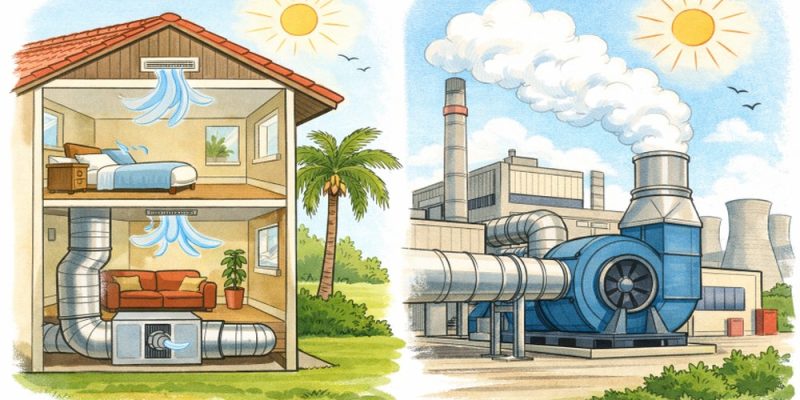
Key Takeaways
- Blowers serve as a critical component in ensuring air quality and energy efficiency across Florida.
- Both industrial and residential settings depend on blowers for optimal environmental control.
- Technological advancements and proper maintenance enhance blower performance and longevity.
In Florida, maintaining indoor air quality and achieving energy efficiency are top concerns for both homeowners and industry leaders. Central to these efforts are blowers, which are essential for HVAC system operation, industrial ventilation, and specialized waste management facilities. With Florida’s humid climate presenting ongoing challenges for humidity control and air purity, understanding the vital role of blowers is key to ensuring comfort, efficiency, and safety.
The significance of blowers extends beyond basic ventilation. In residential homes, they provide steady airflow and help manage humidity, contributing to overall comfort and health. In industrial settings, blowers are integral to processes that require dependable air movement to meet strict regulatory standards, improve working conditions, and decrease energy consumption. As such, the ongoing evolution and maintenance of these systems are crucial for keeping environments clean and energy costs in check.
The Role of Blowers in Industrial Applications
In the industrial sector, blowers support a broad array of processes, from mitigating harmful emissions to managing waste byproducts. For instance, waste management facilities in areas such as Miami leverage advanced air filtration systems with high-performance blowers to control odors, filter dangerous particulates, and protect employee health. These robust systems must adhere to guidelines from agencies such as the Environmental Protection Agency (EPA) and the Occupational Safety and Health Administration (OSHA), making blower performance integral to compliance and to protecting community health.
Chemical plants, manufacturing facilities, and water treatment sites depend on high-capacity blowers to maintain airflow, eliminate hazardous contaminants, and improve workplace safety. Many operations invest in energy-efficient models to meet rising environmental standards and reduce overall utility costs.
Enhancing Residential HVAC Efficiency with Blowers
In homes across Florida, HVAC systems equipped with modern blowers manage airflow and control indoor humidity levels year-round, and services such as vacuum pump repair are sometimes essential to maintaining proper system performance in more advanced setups. Recent advances in variable-speed blowers have transformed residential comfort by automatically responding to the specific needs of different indoor environments. Unlike traditional systems that operate at a fixed speed, variable-speed blowers scale airflow in response to real-time requirements, resulting in even temperature distribution and lower energy use. This adaptability is particularly effective in combating Florida’s persistent humidity and heat, providing homeowners with comfort and efficiency.
Importance of Maintenance for Blower Performance
Regular maintenance remains central to maximizing blower performance. Over time, dirt and particulates can accumulate and clog filters, restricting airflow and forcing systems to operate under strain, increasing the risk of breakdowns. Routine filter replacement and periodic equipment inspections are simple yet effective practices for extending blowers’ lifespans and minimizing energy waste.
For facility managers and homeowners alike, adopting a preventive maintenance schedule offers a path to reducing operational costs and avoiding unexpected repairs. Clean, well-maintained blowers not only reduce energy use but also improve air quality and keep systems functioning reliably during peak demand seasons. Maintenance recommendations are widely supported by organizations such as the American Society of Heating,
Technological Advances in Blower Systems
The development of advanced blower technologies has ushered in a new era of efficiency and durability. Turbo blowers, for example, have become popular in wastewater treatment facilities due to their ability to deliver higher airflow with reduced power consumption. These systems use high-speed impellers powered by direct-drive motors to accelerate air and increase pressure, making them well-suited for demanding environments.
Other innovations include the integration of smart controls that adjust blower speeds dynamically, based on real-time measurements of air quality or system demand. This continuous optimization streamlines operations and unlocks significant energy savings, especially in facilities seeking to minimize their environmental impact while enhancing operational reliability.
Blowers and Indoor Air Quality
Blowers contribute directly to indoor air quality by ensuring steady airflow that helps regulate humidity and reduce pollutant concentrations. In Florida, where mold and mildew are persistent threats, some blower systems are equipped with UV light sterilization to target airborne pathogens. These integrated technologies neutralize bacteria, viruses, and mold spores, fostering a healthier indoor environment and alleviating allergy or asthma symptoms among occupants.
The consistent use of well-maintained, technologically advanced blowers is crucial in the fight against deteriorating air quality, offering peace of mind to property owners and facility managers throughout Florida.
Final Thoughts
Blowers stand as indispensable assets in both industrial and residential settings across Florida. Their role in promoting energy efficiency, compliance with health standards, and superior air quality cannot be overstated. By prioritizing maintenance and embracing the latest advancements, residents and facility managers ensure their environments remain comfortable, safe, and economically sustainable. Whether for daily comfort or rigorous industrial applications, the continued innovation and care invested in blower systems shape the quality of life and operational efficiency for communities throughout the state.





Comments